
Petri Lab – CAR-T Cell and CRISPR Genome Engineering Research in Würzburg
Our research focuses on developing next-generation genome engineering technologies to precisely modify human T cells for cancer treatment. We aim to improve the safety, efficacy, and scalability of CAR-T cell therapies using advanced CRISPR-based approaches, including CRISPR Prime Editing.
Our Research Focus
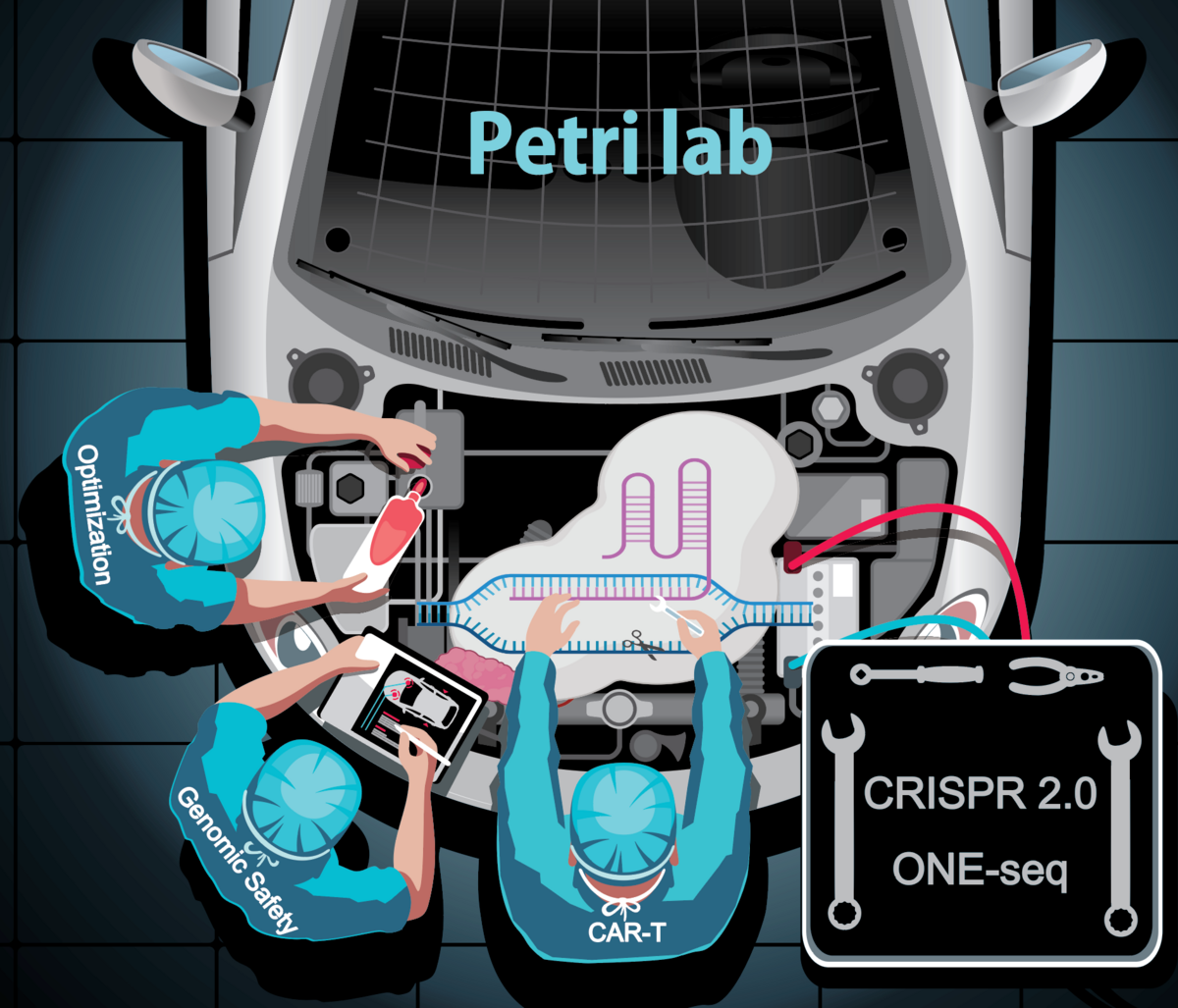
We investigate how genome engineering can enhance immune cell therapies and enable broader clinical application of CAR-T cells. Our work combines molecular biology, gene editing, and translational cancer research.
Our key research areas include:
- Engineering CAR-T cells using CRISPR-based genome editing
- Developing next-generation CRISPR and Prime Editing technologies
- Improving safety and precision of gene editing in human T cells
- Designing molecular tools to assess off-target effects and genome integrity
About CAR-T Cell Engineering
CAR-T cell therapy is a powerful approach in cancer immunotherapy. We develop genome engineering strategies to enhance the functionality and persistence of engineered T cells.
Using targeted gene editing, we modify specific molecules in CAR-T cells to:
- improve anti-tumor activity
- reduce immune rejection
- enable the development of off-the-shelf CAR-T cell therapies
These approaches aim to make cellular immunotherapies more accessible, scalable, and cost-effective.
CRISPR and Prime Editing Technologies
A central focus of our research is the development and application of CRISPR 2.0 technologies, particularly CRISPR Prime Editing.
Prime Editing allows precise and programmable DNA modifications using single-strand breaks, enabling targeted genetic changes in therapeutic T cells without introducing double-strand breaks.
We use these technologies to:
- introduce defined genetic modifications
- improve editing precision in human immune cells
- expand the toolbox for genome engineering in immunotherapy




Safety and Off-Target Analysis
Ensuring the safety of genome editing is critical for clinical application.
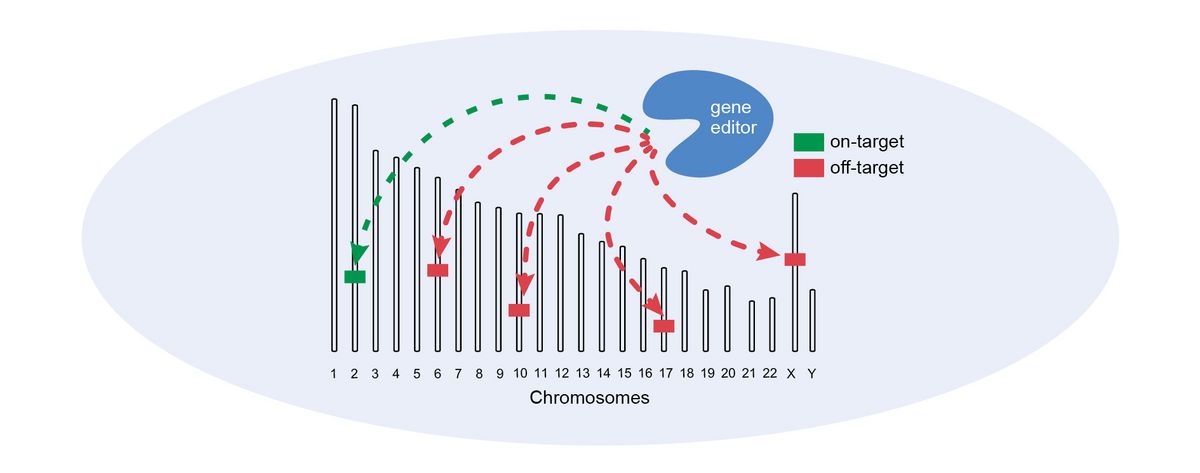
Genome editors can induce unintended changes at off-target sites or cause unwanted on-target effects. Our lab develops and applies cutting-edge molecular assays to comprehensively evaluate these risks.
Our work includes:
- detection of off-target genome editing events
- analysis of unintended genomic alterations
- development of high-resolution methods for genome-wide safety assessment
About Dr. Karl Petri
Dr. Karl Petri is the principal investigator of the Petri Lab at the University Hospital Würzburg. His research focuses on CAR-T cell engineering and CRISPR-based genome editing for cancer immunotherapy.
Ready to CRISPR with us?
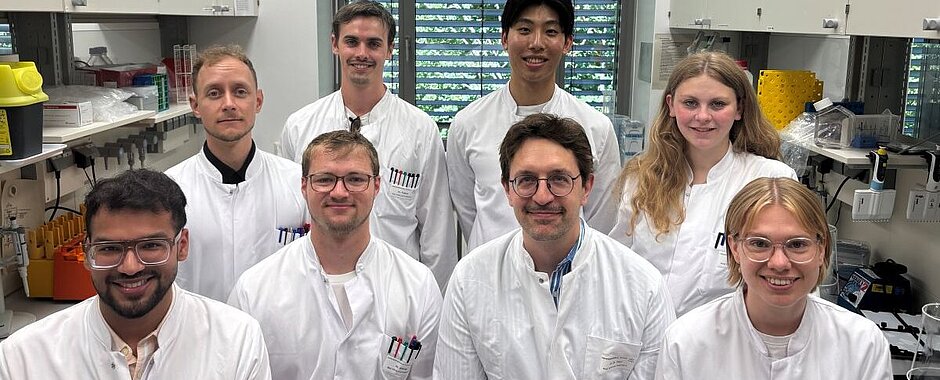
We are always looking for outstanding individuals that want to innovate immune cell therapy through genome engineering. Join our group